
Lift AMC Charges Explained: What Drives Elevator Maintenance Cost
Lift AMC charges vary widely between two buildings on the same street, and the reason is almost never the vendor's margin. This guide explains what a lift AMC covers, which eight factors actually move the annual figure, how Essential, Standard and Comprehensive plans differ, and the clauses worth reading before you sign. Written for apartment associations, facility managers and homeowners comparing elevator maintenance quotes.
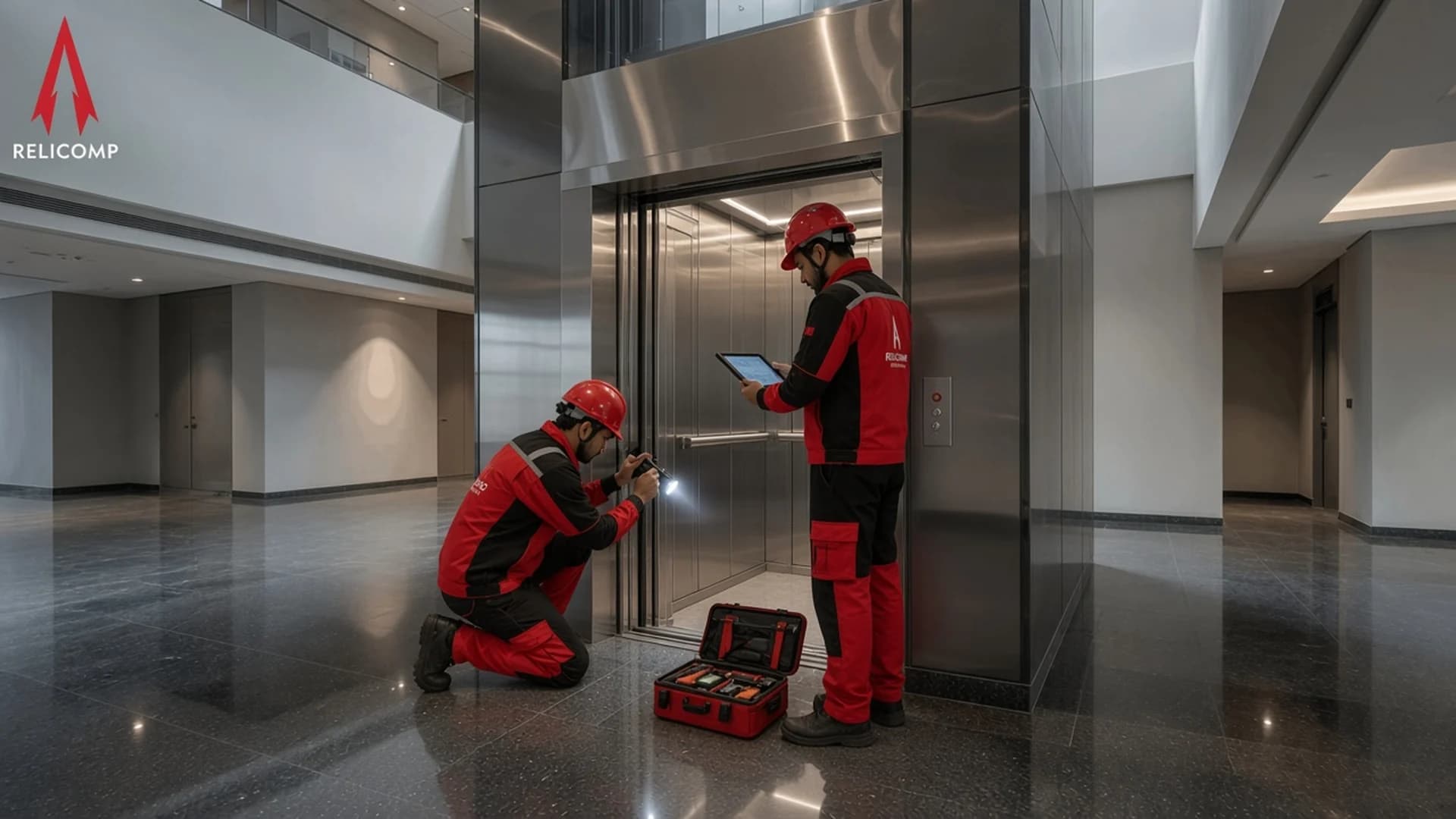
What is a lift AMC?
A lift AMC, or Annual Maintenance Contract, is a service agreement under which an elevator maintenance company inspects, lubricates, adjusts and supports your lift on a defined schedule, and attends when something fails. The alternative is calling a vendor only after a breakdown, which costs less on paper and far more in practice: unplanned attendance is slower, spare parts are not staged, and the faults that cause entrapments are exactly the ones preventive visits catch early.
An AMC is also a compliance instrument. A lift is safety-critical equipment with statutory obligations attached to its operation, and a documented maintenance history is what demonstrates those obligations are being met. For buildings in Karnataka, the Karnataka Lifts, Escalators and Passenger Conveyors Act, 2012 governs the licence to operate a lift, and inspection records are part of keeping that straightforward.
Why there is no single lift AMC price
Any quotation that arrives before anyone has looked at your machine is a guess. Two elevators with identical person ratings can need very different maintenance effort depending on age, duty cycle, controller generation and whether spare parts are still manufactured. Relicomp prices an AMC after a condition assessment rather than publishing a single annual fee, and we would encourage the same scepticism about any competitor who does the opposite.
The eight factors that move lift AMC charges
- 1Elevator type and drive: hydraulic, traction and machine-room-less systems have different service routines, consumables and specialist requirements
- 2Number of stops and travel: more landings means more door sets, and door systems are the highest-wear part of almost every lift
- 3Age and controller generation: older relay or early microprocessor controllers take longer to diagnose and may need obsolete spares
- 4Usage intensity: a lift in a 40-flat apartment block runs a different duty cycle from one in a private villa, and wear follows usage
- 5Original manufacturer: parts availability and documentation for a third-party machine affect both routine work and repair lead times
- 6Plan tier: visit frequency, reporting depth and breakdown response intensity are the main things you are buying
- 7Spares treatment: whether consumables and major components are included, capped or chargeable is often the largest single difference between quotes
- 8Location and response window: distance from the nearest service team affects realistic attendance times and therefore the cost of committing to them
Of these, spares treatment and plan tier explain most of the spread between a cheap quote and a complete one. A low annual figure with every component chargeable at list price is frequently more expensive over three years than a higher figure with consumables included.
Essential, Standard and Comprehensive: what actually changes
Most providers, Relicomp included, structure AMCs in tiers. The labels differ but the variables rarely do. Use the table below to interrogate any proposal, then rely on your signed agreement for the authoritative inclusions.
What changes between AMC tiers
| Variable | Essential | Standard | Comprehensive |
|---|---|---|---|
| Preventive visit frequency | Baseline schedule | More frequent | Most frequent |
| Breakdown attendance | Chargeable or limited | Included within agreed window | Priority response |
| Consumables (oil, grease, contacts) | Usually chargeable | Commonly included | Included |
| Major components | Chargeable | Chargeable or capped | Widest cover, read the exclusions |
| Reporting | Visit record | Visit record plus findings | Documented condition reporting |
| Best suited to | Newer lifts under warranty support | Most apartment and office buildings | High-usage or critical installations |
Plan inclusions are indicative for discussion. Final lift AMC charges, visit frequency, and spares policy are confirmed in your service agreement after we review elevator type, age, and location.
Note what the table does not contain: prices. The tier you need depends on the machine and the building, and the right comparison is tier-for-tier against an identical scope. Full plan detail sits on the lift AMC and maintenance page.
Clauses worth reading before you sign
- Response time: is an attendance window actually committed, and does it differ for entrapments versus non-urgent faults?
- Out-of-hours cover: office hours and breakdown availability are different services, so confirm which applies at night and on Sundays
- Spares: which parts are included, which are capped, which are at list price, and whose brand is used
- Exclusions: vandalism, water ingress, power quality, civil defects and obsolete parts are the usual carve-outs
- Escalation: who you call when a fault recurs, and what happens if it is not resolved
- Term and exit: notice period, annual revision basis, and what happens to your service records if you change provider
- Obsolescence: what the provider proposes when a part is no longer manufactured, since that is a modernization conversation, not a repair
When AMC stops being the right answer
There is a point where rising maintenance spend is really deferred capital cost. If the same subsystem fails repeatedly, if spares arrive on long lead times from obsolete stock, or if the controller limits what can be adjusted, an AMC is funding a problem rather than fixing it. Lift modernization replaces the drive, controller, doors or safety devices while retaining the shaft, and often costs less in a three-year view than escalating breakdown calls. We will say so when we see it.
Can you take over a lift installed by another company?
In most cases yes, after a condition assessment. The assessment exists to find safety defects that must be corrected before a standard maintenance schedule is meaningful, and to confirm that spares are obtainable. Occasionally a machine is outside practical support, and we would rather tell you that at assessment than discover it mid-contract. Coverage spans our Bangalore and Mysore service regions, with attendance windows confirmed by city.
Summary
Lift AMC charges are driven by the machine, not by a price list: type and drive, stops, age, usage, spares treatment and the response you need. Compare tier-for-tier on identical scope, read the spares and response clauses before the headline number, and treat a quote offered without an inspection as incomplete. Relicomp assesses the lift, then proposes a plan and a realistic attendance window for your city.
Frequently asked questions
Keep reading
Get an AMC proposal for your lift
Share the elevator type, number of stops, approximate age and your city. We will assess the machine and propose a plan tier with a realistic attendance window, with spares treatment stated in writing.